
AI Readiness Assessment: How to Run One Before You Buy
An AI readiness assessment is a scored diagnostic of one workflow — data, owners, refusal rules, measurement — before you buy tools. How to run one without copying Cisco or Gartner.

12 articles
GTM teardown content explains how to diagnose a go-to-market system before rebuilding it. These guides cover scoring, instrumentation, positioning, demand generation, capture, sales conversion, activation, retention, and the evidence needed to choose the next 90-day constraint. The goal is a clear operating diagnosis for founder-led B2B SaaS teams, especially in the Research Triangle, before spending on tactics.

An AI readiness assessment is a scored diagnostic of one workflow — data, owners, refusal rules, measurement — before you buy tools. How to run one without copying Cisco or Gartner.

A Google Business Profile gets you found. It doesn't get you chosen. BrightLocal's 2026 survey found 54% of consumers head to the business's website after reading positive reviews — here's what that website has to do, page by page, that a listing structurally can't.

A roofing website has one job most contractor sites ignore: convert a homeowner staring at a leak or storm damage into a booked inspection this week — not next quarter.
isonew
A scored diagnostic of one named workflow — data, owner, refusal path — before you buy.

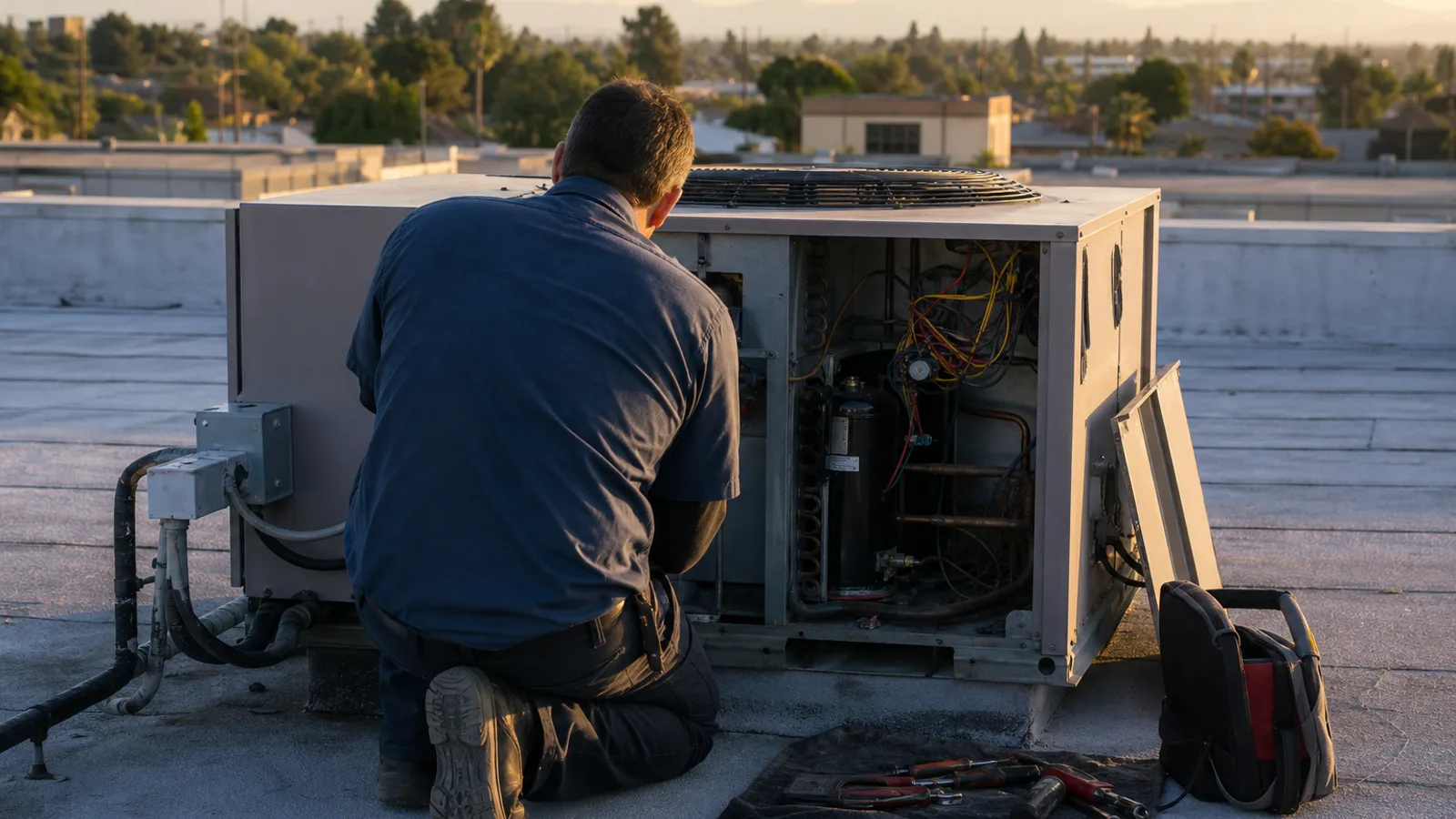
HVAC demand shows up at 11pm in February, and the contractor who answers first usually gets the job. Here's the build that serves that reality: an emergency path above the fold, a decision about who actually answers after hours, maintenance plans priced like a real offer, financing next to the sticker shock, and a tracking layer that names the page that produced each call.

A service-business website has exactly one job: turn a stranger into a booked quote request. Here are the five pages that decide it, the estimate-path fixes that move the number, what the current speed bar actually is, and a five-minute audit to see whether your site is pulling its weight.

Cheap already won the small business web market — 41% of sites run on DIY builders. Here's what that actually bought, what five years really costs when you run the math, and the contract lines that decide whether you own anything at the end.

Vendor price guides put a professional custom website at $2,000–$8,000 for small businesses in 2026 — but every published range in this market comes from somebody who sells web design. Here are the sourced ranges by build type, the labor math underneath them, and the line items that decide what you actually pay.

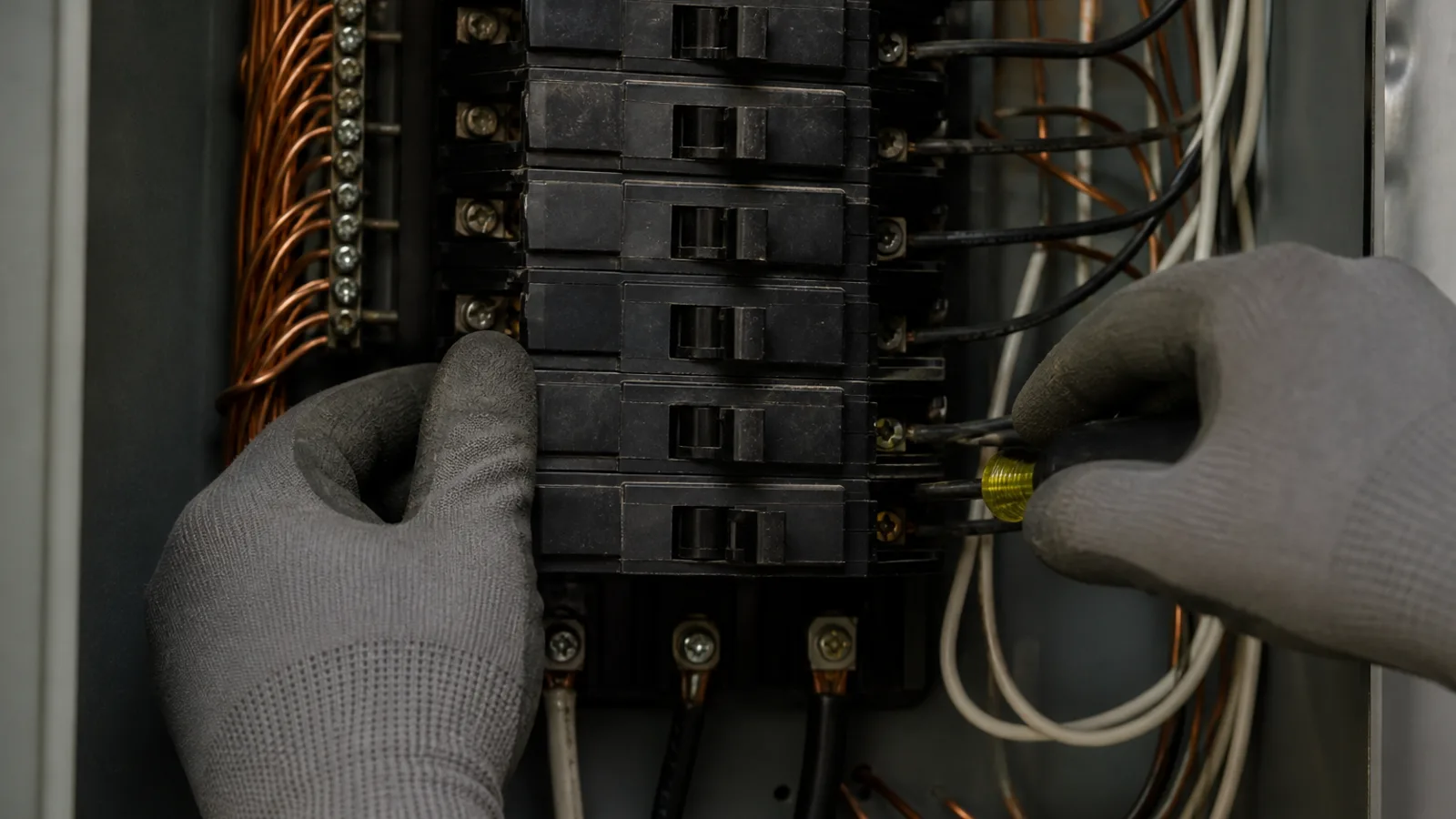
Electricians lose leads when one homepage tries to serve emergency callers, upgrade shoppers, and commercial GCs at once. A three-path site — with license proof and a fast quote path — fixes it.

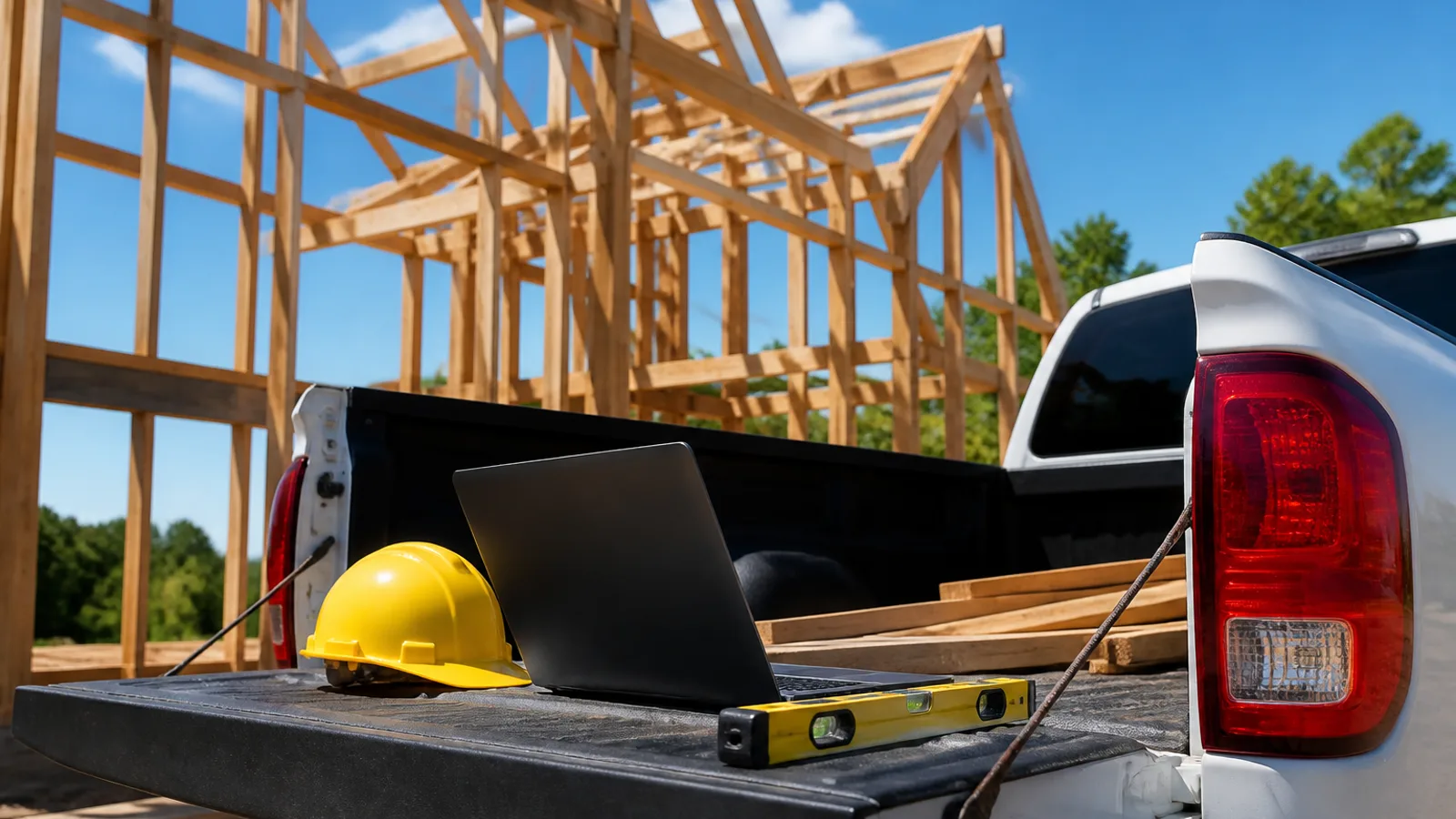
Construction companies win bids with proof, not polish — here's the gallery format, trust stack, and estimate flow that actually converts.

The five pages a plumbing website needs to turn a search into a booked call — what each page must contain, and the specific failure mode that kills conversions on each one.

A teardown of what contractor websites get wrong: what books jobs (speed, the phone path, proof of work) versus what just looks good (hero video, sliders, stock photography, award badges).

A GTM teardown scores your whole go-to-market motion across six dimensions before you rebuild anything. The methodology, a DIY checklist, and when to bring in help.
Find the workflow worth automating.
Start the AI Opportunity Diagnostic